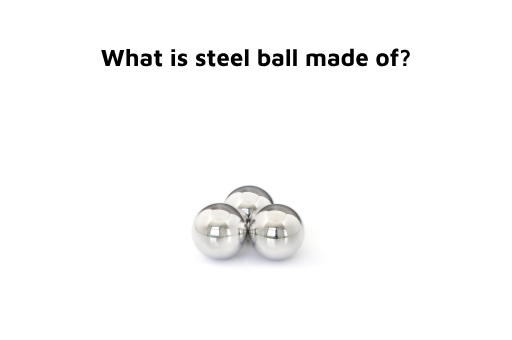
Steel balls are integral components in various industries, from automotive and aerospace to consumer goods and precision machinery. Their smooth, spherical shape, combined with durability, makes them ideal for use in bearings, grinding, and many other applications. The composition of steel balls varies depending on the intended application, with each type of steel offering distinct advantages in terms of hardness, corrosion resistance, wear resistance, and other properties. This article delves into the types of steel used in steel ball manufacturing and what makes each suitable for specific uses.
1. Carbon Steel
Carbon steel is a fundamental material in the manufacturing of steel balls, especially for applications that require a balance of hardness, wear resistance, and cost-effectiveness. There are several variations, each with different carbon content levels:
- Low Carbon Steel: Contains less than 0.3% carbon and is relatively soft, making it suitable for less demanding applications where the balls do not need high wear resistance or hardness.
- Medium Carbon Steel: Contains 0.3–0.6% carbon, giving it higher hardness and durability compared to low carbon steel, making it suitable for applications that require moderate wear resistance.
- High Carbon Steel: Contains 0.6–1.0% carbon and is harder and stronger than both low and medium carbon steel. This makes it suitable for high-wear applications such as grinding and bearing assemblies.
The carbon content influences the steel’s hardness and wear resistance; higher carbon content yields higher hardness but also requires heat treatment to reach optimal performance levels.
2. Stainless Steel
Stainless steel is another popular choice for steel balls, particularly in environments where corrosion resistance is crucial. Stainless steel balls are primarily used in food processing, medical devices, and water treatment due to their resistance to rust and tarnish. Key types include:
- 304 Stainless Steel: The most common stainless steel alloy used in steel balls, offering a combination of corrosion resistance, durability, and affordability. This type is well-suited for general-purpose applications, including food-grade uses.
- 316 Stainless Steel: This alloy contains additional molybdenum, enhancing its corrosion resistance, especially in marine and highly acidic environments. 316 stainless steel balls are often used in chemical and saltwater applications.
- 440 Stainless Steel: Known for its hardness and wear resistance, 440 stainless steel is used in more demanding applications where durability is critical. It is commonly employed in bearings and other machinery components that undergo high levels of stress.
3. Chrome Steel
Chrome steel, often referred to as AISI 52100, is a high-carbon, chromium alloy steel known for its exceptional hardness and wear resistance. Chrome steel balls are popular in high-precision applications such as ball bearings, automotive parts, and grinding media in mills. The chromium content (typically around 1.5%) not only improves wear resistance but also offers mild corrosion resistance, though chrome steel is not as corrosion-resistant as stainless steel. Chrome steel balls undergo a meticulous heat treatment process to enhance their hardness, making them suitable for high-stress and high-impact applications.
4. Tool Steel
Tool steels, particularly the S2 tool steel, are used in applications that require superior impact resistance and toughness. S2 tool steel is a high-carbon, high-alloy steel with an impressive balance of hardness and ductility, making it ideal for high-stress environments. Commonly used in heavy machinery, mining, and power tools, tool steel balls are typically hardened through specialized heat treatments to maximize their durability and longevity.
5. Tungsten Carbide
For applications requiring the highest levels of hardness and wear resistance, tungsten carbide steel balls are the preferred choice. These balls are composed of a steel alloy with a high percentage of tungsten carbide, making them exceptionally dense and durable. They are frequently used in high-impact applications like ball bearings in high-temperature, high-pressure environments and in applications requiring extreme precision, such as in aerospace and automotive industries. Tungsten carbide balls are also resistant to corrosion, providing both durability and reliability under challenging conditions.
6. Specialty Alloys and Coatings
In addition to standard steel types, some steel balls are made from specialty alloys or are coated with materials to enhance their performance. Specialty alloy balls may include elements like nickel or manganese to provide unique properties like extra corrosion resistance or specific hardness profiles. Coatings, such as rubber or polymer, can improve the balls' resistance to wear, reduce noise, or provide electrical insulation for sensitive applications.
Conclusion
Steel balls come in a range of materials and compositions tailored to meet the demands of various applications. From the high-wear durability of chrome steel to the corrosion resistance of stainless steel, each type of steel offers unique advantages. The choice of material is essential in optimizing performance, longevity, and suitability for specific uses. By selecting the right type of steel ball, industries can ensure that their components deliver the durability and precision required for success.