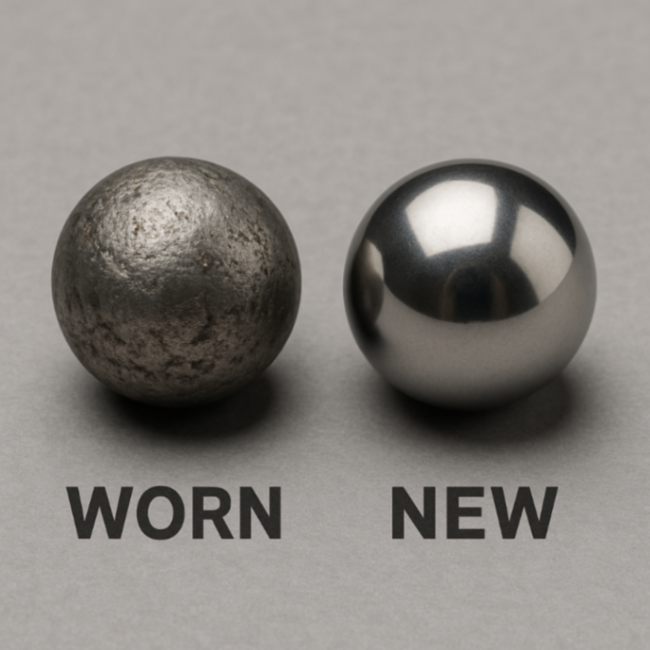
Steel balls play a vital role in various industries, including automation, automotive, mining machinery, agricultural equipment, and more. As a key component in modern machinery, their quality directly affects the performance and longevity of the equipment. High-quality steel balls ensure smooth operations, while defective ones can lead to equipment failure, reduced service life, or even production downtime. So, how can you avoid purchasing "defective steel balls"? Here are several crucial details that will help you make a smart decision during procurement and prevent potential issues.
1. Confirm the Steel Ball Material and Match It to the Application
Different applications require different types of steel balls. The material, hardness, corrosion resistance, and other characteristics of the steel ball directly influence its performance. Common materials for steel balls include carbon steel, stainless steel, and chromium steel. When purchasing, it's essential to choose the right material and specifications based on the specific application. For example, stainless steel balls are ideal for environments requiring corrosion resistance, while carbon steel or chromium steel balls are better suited for applications needing higher hardness. Therefore, understanding the specific needs of your equipment is the first step in ensuring you purchase the right steel ball.
2. Review the Supplier’s Quality Certifications
Selecting a supplier with quality certifications is an effective way to ensure the steel balls you purchase are of high quality. Suppliers with ISO9001 quality management certifications or similar credentials are committed to maintaining strict quality control during production, ensuring that their products meet international standards. When placing an order, ask the supplier for relevant certification documents and verify their authenticity. Additionally, examine the supplier's production capacity and track record. Long-term, stable suppliers are often more trustworthy.
3. Inspect the Steel Balls’ Size and Tolerance
The size precision and tolerance of steel balls are critical factors in determining their quality. Even a small deviation in size can lead to operational issues with machinery. Steel balls should meet the required diameter tolerances and conform to industry standards. You can request a size inspection report from the supplier to ensure that the steel balls meet your desired specifications for precision.
4. Pay Attention to the Surface Finish of Steel Balls
The surface finish of a steel ball significantly affects its performance and durability. Defective steel balls often have surface issues like scratches, dents, or cracks, which not only reduce aesthetic appeal but also increase friction and could lead to mechanical damage during use. When purchasing, closely examine the surface of the steel balls to ensure there are no noticeable defects. If necessary, ask the supplier for a surface quality inspection report to confirm that the steel balls meet the required surface standards.
5. Understand the Production Process and Testing Procedures
The production process has a direct impact on the final quality of the steel balls. High-quality steel balls typically undergo advanced production processes, such as precision cold processing and heat treatment, to ensure that they meet hardness, strength, and dimensional accuracy standards. During procurement, it’s advisable to learn about the supplier’s production processes and quality control systems. Choose suppliers that employ modern production lines and rigorous testing methods to reduce the risk of receiving defective products.
6. Conduct a Small Batch Trial Order
To avoid potential issues with large orders, consider placing a small trial order for the first batch. A trial order allows you to evaluate the quality of the supplier's products, customer service, and delivery capabilities. If you find any issues, you can address them with the supplier before committing to a larger order. Once the trial order is successful, you can proceed with larger-scale procurement with greater confidence.
7. Consider After-Sales Service and Support
After-sales service is another crucial factor in the procurement process. A reliable supplier typically offers comprehensive after-sales support, including technical assistance and solutions for any issues that arise during use. By choosing a supplier with strong after-sales service, you can address quality issues quickly and avoid the hassle of dealing with defective products.