Introduction
Stainless steel balls are essential components in various industries, from automotive and aerospace to medical and food processing. Their performance and longevity are significantly influenced by their hardness, which determines their wear resistance and fatigue strength. One of the primary methods to enhance the hardness of stainless steel balls is through heat treatment. This article explores the heat treatment process of stainless steel balls and how it improves their hardness.
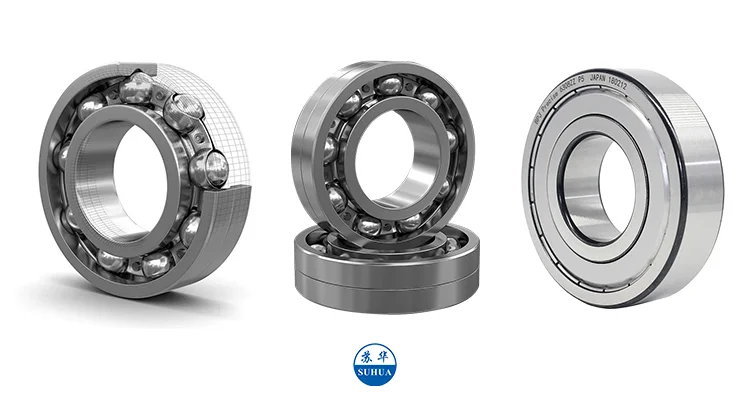
Understanding Stainless Steel and Hardness
Stainless steel is an alloy primarily composed of iron, carbon, and chromium, with the latter providing corrosion resistance. Depending on the specific grade, other elements like nickel, molybdenum, and manganese might be present. The hardness of stainless steel is a measure of its resistance to deformation, scratching, or indentation and is crucial for applications where the material is subject to mechanical wear and tear.
The Heat Treatment Process
Heat treatment involves controlled heating and cooling of metals to alter their physical and sometimes chemical properties, enhancing their performance characteristics. The heat treatment process for stainless steel balls typically includes several stages: annealing, quenching, and tempering.
1. Annealing
Annealing is the process of heating stainless steel balls to a specific temperature and then cooling them slowly. The primary purpose of annealing is to relieve internal stresses, improve ductility, and refine the grain structure. The annealing temperature and duration depend on the specific stainless steel grade used.
- Process:
- Heat the stainless steel balls to a temperature between 1,000°C to 1,100°C (1,832°F to 2,012°F).
- Maintain this temperature for a specific period to allow for recrystallization and stress relief.
- Cool the balls slowly in the furnace or air to avoid introducing new stresses.
2. Quenching
Quenching follows annealing and involves rapid cooling of the stainless steel balls to trap carbon atoms in solution, thereby creating a harder martensitic structure. The quenching medium can be water, oil, or air, depending on the desired cooling rate and final properties.
- Process:
- Heat the annealed stainless steel balls to a higher temperature, often above 1,000°C (1,832°F), to achieve a fully austenitic structure.
- Rapidly cool the balls in a quenching medium to transform the austenite into martensite.
3. Tempering
Tempering is performed after quenching to reduce the brittleness of the quenched balls while maintaining a high hardness level. This process involves reheating the quenched balls to a temperature below the critical point and then cooling them at a controlled rate.
- Process:
- Heat the quenched stainless steel balls to a temperature between 150°C to 600°C (302°F to 1,112°F).
- Hold the temperature for a specific period, depending on the desired balance between hardness and toughness.
- Cool the balls in air or another medium.
Improvement in Hardness
The heat treatment process significantly improves the hardness of stainless steel balls. The quenching stage transforms the structure into hard martensite, while tempering fine-tunes the hardness and reduces brittleness. The resulting hardness depends on several factors, including the stainless steel grade, heat treatment temperatures, and cooling rates.
For instance, AISI 440C stainless steel, a popular choice for bearing balls, can achieve a hardness of up to 58-65 HRC (Rockwell Hardness Scale) after appropriate heat treatment. This high hardness level ensures excellent wear resistance and extended service life in demanding applications.
Conclusion
Heat treatment is a crucial process in manufacturing stainless steel balls, significantly enhancing their hardness and overall performance. By carefully controlling the annealing, quenching, and tempering stages, manufacturers can produce stainless steel balls with the desired hardness and toughness, making them suitable for various high-stress applications. Understanding and optimizing the heat treatment process is essential for producing high-quality stainless steel balls that meet the stringent demands of modern industries.