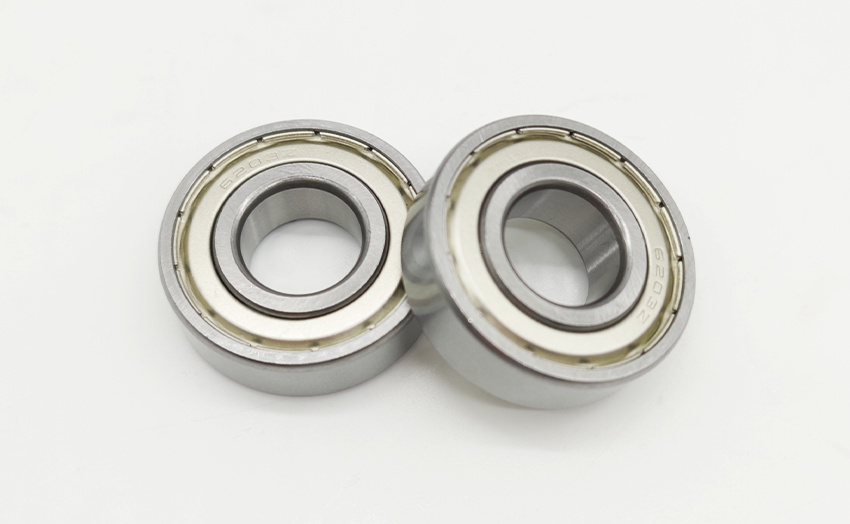
Bearings are crucial components in a wide range of machinery, from automotive engines to industrial equipment. Bearing wear is a significant issue that can lead to machinery downtime, increased maintenance costs, and even catastrophic failures. To mitigate these problems, ongoing advancements in technology and methodology are being developed to reduce bearing wear and extend their operational life. This article explores some of the latest technologies and methods for reducing bearing wear.
1. Advanced Materials and Coatings
a. Ceramic Bearings: Ceramic bearings are made from silicon nitride, which offers several advantages over traditional steel bearings. They are lighter, harder, and more resistant to heat and corrosion. The reduced friction in ceramic bearings leads to less wear and a longer lifespan, especially in high-speed and high-temperature applications.
b. Diamond-like Carbon (DLC) Coatings: DLC coatings provide a hard, low-friction surface that significantly reduces wear. These coatings are applied to the bearing surfaces using techniques like physical vapor deposition (PVD) or chemical vapor deposition (CVD). DLC coatings are particularly useful in automotive and aerospace applications where durability and performance are critical.
2. Lubrication Innovations
a. Nano-lubricants: Nano-lubricants contain nanoparticles that improve the lubrication properties of conventional oils and greases. These nanoparticles can fill in surface imperfections and create a smoother contact surface, reducing friction and wear. Materials like molybdenum disulfide (MoS2) and graphene are commonly used in nano-lubricants for their excellent anti-wear properties.
b. Intelligent Lubrication Systems: These systems monitor the condition of the lubricant and automatically adjust the supply to the bearings as needed. They can detect changes in temperature, pressure, and contamination levels, ensuring that the bearings receive optimal lubrication at all times. This reduces the risk of over-lubrication or under-lubrication, both of which can cause bearing wear.
3. Surface Engineering Techniques
a. Surface Texturing: Laser surface texturing involves creating micro-patterns on the bearing surfaces to reduce friction and improve lubricant retention. These textures can trap lubricants and form micro-hydrodynamic lubrication films, which enhance the bearing's wear resistance. This method is particularly beneficial in applications where conventional lubrication is challenging.
b. Cryogenic Treatment: Cryogenic treatment involves cooling the bearings to extremely low temperatures, typically using liquid nitrogen. This process refines the microstructure of the bearing material, making it harder and more wear-resistant. Cryogenically treated bearings have been shown to have longer service lives and better performance under high-stress conditions.
4. Condition Monitoring and Predictive Maintenance
a. Vibration Analysis: Vibration analysis is a well-established method for detecting bearing wear and other defects. Advanced sensors and software can now provide real-time monitoring and analysis, allowing for early detection of potential issues. This enables timely maintenance and prevents unexpected failures.
b. Acoustic Emission Monitoring: Acoustic emission monitoring involves listening for high-frequency sound waves generated by bearing wear and other mechanical faults. This technique can detect early-stage wear that might not be evident through vibration analysis alone. Coupled with machine learning algorithms, acoustic emission monitoring can predict bearing failure more accurately.
5. Additive Manufacturing
a. 3D-Printed Bearings: Additive manufacturing, or 3D printing, allows for the production of complex bearing designs that are not possible with traditional manufacturing methods. Bearings can be optimized for specific applications, incorporating features like internal lubrication channels and tailored material properties. This customization can lead to significant reductions in wear and improved performance.
b. Repair and Refurbishment: Additive manufacturing can also be used to repair worn bearings by building up material on the worn surfaces and then machining them back to the desired dimensions. This approach can extend the life of bearings and reduce the need for replacements.
Conclusion
The latest technologies and methods for reducing bearing wear are transforming the way we approach maintenance and reliability in machinery. Advanced materials, innovative lubrication solutions, surface engineering techniques, condition monitoring, and additive manufacturing are all contributing to longer-lasting, more reliable bearings. As these technologies continue to evolve, we can expect even greater improvements in bearing performance and lifespan, leading to reduced maintenance costs and increased operational efficiency in various industries.