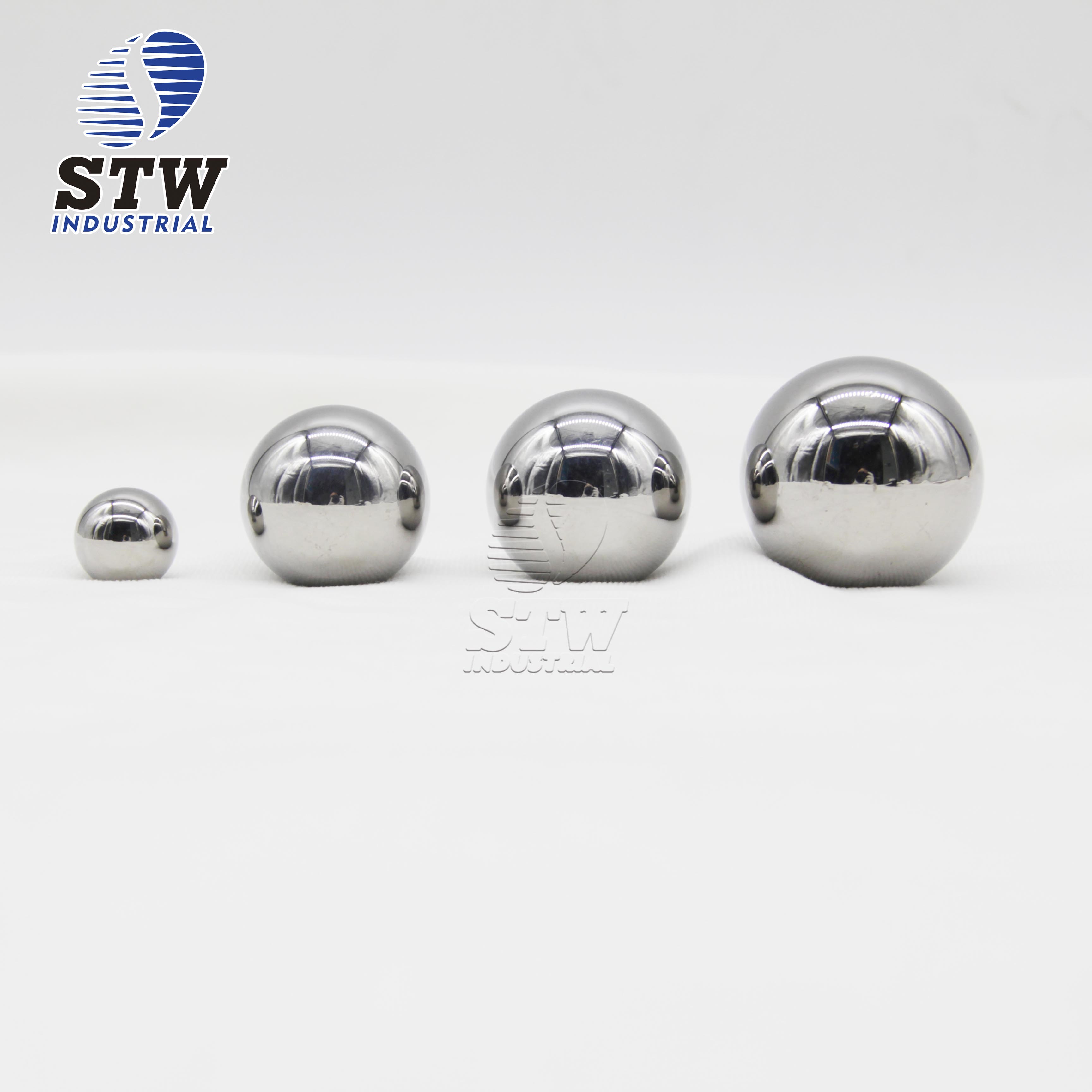
With the global pursuit of carbon neutrality, the new energy industry is developing at unprecedented speed. Whether in electric vehicles, wind power, photovoltaics, or hydrogen energy storage, lightweight, efficiency, and sustainability have become core requirements. Against this backdrop, aluminum balls are gaining recognition for their advantages in lightweight design, corrosion resistance, thermal conductivity, and recyclability, making them indispensable in modern energy equipment.
1. Lightweight Advantage for Higher Efficiency
Aluminum has a density of only 2.7 g/cm³, about one-third that of steel. As spherical components, aluminum balls greatly reduce equipment weight without compromising strength.
-
Electric Vehicles: Aluminum balls are used in battery valves, fluid pumps, damping systems, and drivetrains, reducing component weight and extending vehicle range.
-
Wind Power Generators: In large rotating components, aluminum balls ease structural load and prolong the life of bearings and transmissions.
-
Solar Tracking Systems: Lighter components lower energy consumption and improve solar panel tracking efficiency.
2. Corrosion Resistance Ensures Reliability
New energy devices often face harsh environments such as high humidity, saline atmospheres, or chemical exposure. The natural oxide film on aluminum surfaces offers superior corrosion resistance.
-
Hydrogen Energy: Aluminum balls maintain stability in complex chemical conditions, ensuring the safety of hydrogen storage and transportation.
-
Offshore Wind Power: Aluminum balls resist saltwater corrosion better than carbon steel or ordinary steel balls, reducing maintenance needs and extending service life.
3. Excellent Thermal Conductivity
Thermal management is critical in new energy applications. Aluminum’s superior thermal conductivity makes aluminum balls effective in heat dissipation.
-
Battery Management Systems (BMS): Aluminum balls help transfer and release heat, reducing thermal runaway risks in power batteries.
-
High-Temperature Systems: In fuel cells and heat recovery systems, aluminum balls stabilize performance and improve energy efficiency.
4. Eco-Friendly and Recyclable
Aluminum is highly recyclable, with secondary production consuming only 5% of the energy needed for primary smelting.
-
Recycling Advantage: Waste aluminum balls can be remanufactured, reducing raw material demand.
-
Green Manufacturing: This aligns with the sustainable goals of the new energy sector and enhances a company’s green image.
5. Expanding Applications and Market Potential
-
Electric Vehicles: Explosive EV market growth drives demand for lightweight materials.
-
Wind and Solar: By 2030, installed capacity is expected to double, increasing demand for lightweight, corrosion-resistant components.
-
Hydrogen and Energy Storage: Aluminum balls meet the growing need for sealing and fluid control components.
With the expansion of the global new energy industry, aluminum balls are set to play an increasingly vital role in achieving efficiency, durability, and sustainability.
Conclusion
Aluminum balls are more than simple components—they represent a balance between performance and sustainability in the new energy era. Their advantages in lightweight design, corrosion resistance, thermal conductivity, and recyclability make them a smart choice for energy equipment manufacturers seeking efficiency and long-term growth.