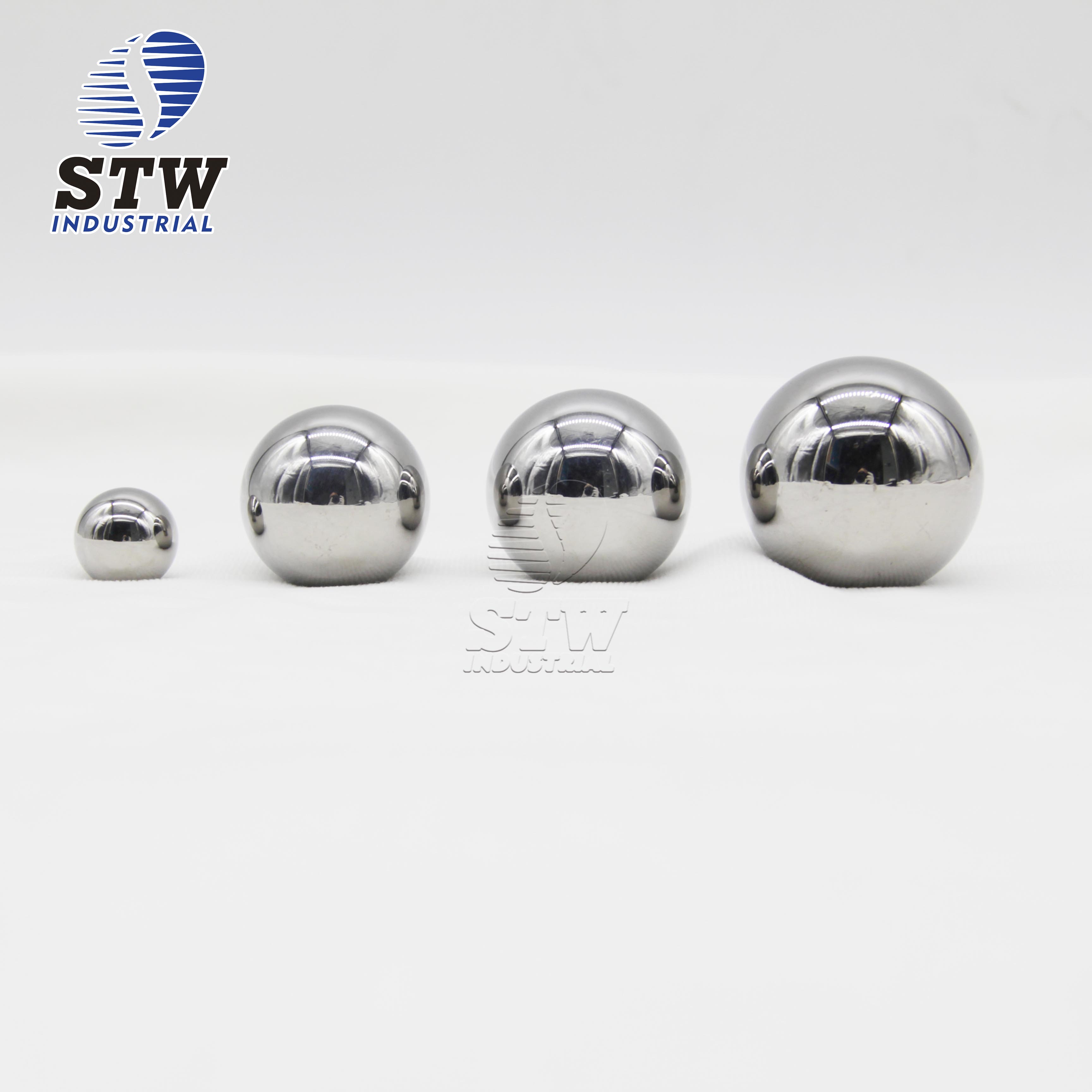
In the field of industrial manufacturing, spherical components are not merely geometric shapes but critical elements that define the performance and durability of precision equipment. Whether stainless steel balls, bearing steel balls, tungsten carbide balls, or ceramic balls, heat treatment is a decisive process that shapes their mechanical properties. Variations in heat treatment directly influence hardness, toughness, wear resistance, and fatigue life.
1. Importance of Heat Treatment in Ball Manufacturing
Balls used in bearings, valves, automotive components, aerospace, and mechanical transmission endure long-term friction, impact, and heavy loads. Without proper heat treatment, raw materials cannot meet performance and longevity requirements.
-
Hardness Enhancement: Heat treatment hardens the surface, prolonging service life.
-
Fatigue Resistance: Prevents crack propagation and extends operational cycles.
-
Wear Resistance: Reduces friction and maintenance costs.
2. Common Heat Treatment Methods and Their Differences
(1) Quenching
-
Rapid cooling after heating above critical temperature.
-
Provides high hardness but reduced toughness.
-
Widely applied to bearing steel and carbon steel balls.
(2) Tempering
-
Reheating quenched balls at moderate temperatures.
-
Balances hardness and toughness.
-
Suitable for automotive parts requiring both strength and durability.
(3) Carburizing / Nitriding
-
Diffuses carbon or nitrogen into the surface layer.
-
Produces extremely hard surfaces while maintaining core toughness.
-
Ideal for valve balls and wear-resistant mechanical parts.
(4) High-Temperature Tempering & Stabilization
-
Relieves residual stress and enhances dimensional stability.
-
Essential for tungsten carbide balls and stainless steel balls operating under high temperatures.
3. Performance Impact of Heat Treatment Differences
-
Hardness Variation: Defines wear resistance and service life.
-
Toughness Control: Prevents brittleness from excessive quenching.
-
Corrosion Resistance: Careful heat treatment preserves stainless steel’s passivation layer.
-
Dimensional Stability: Precision balls require strict control of deformation after treatment.
4. Material Selection and Process Optimization
For buyers, choosing the right balls involves not only material quality but also the supplier’s ability to control heat treatment.
-
Our Advantages:
-
Advanced furnaces and testing equipment;
-
Tailored heat treatment for different ball materials;
-
Strict inspection of hardness, residual stress, and microstructure;
-
Customized solutions based on customer application requirements.
-
Conclusion
The differences in heat treatment determine whether balls can operate reliably under extreme conditions. As a professional B2B manufacturer and supplier, we provide a wide range of materials—stainless steel, bearing steel, carbon steel, copper, tungsten carbide, ceramic, and plastic balls—while applying precise and optimized heat treatment processes. Our goal is to deliver products with high hardness, excellent toughness, and long service life to meet diverse industrial needs.