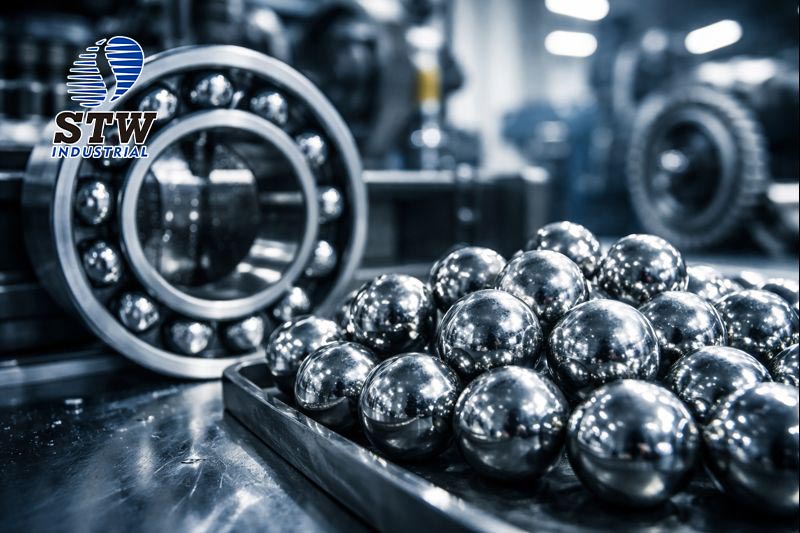
Steel balls are critical components widely used in bearings, valves, pumps, transmission systems, and industrial automation equipment. Their performance directly affects load capacity, operating accuracy, and overall system reliability. However, unexpected damage such as cracking, spalling, or abnormal wear can still occur during service, leading to unplanned downtime, increased maintenance costs, and even equipment failure.
Reducing unexpected damage to steel balls requires a systematic approach that considers material selection, manufacturing quality, operating conditions, installation practices, and ongoing maintenance.
1. Select the Right Steel Ball Material and Grade
In many cases, premature steel ball failure is caused by improper material selection rather than product defects.
-
High load and high-speed applications require bearing steel balls such as AISI 52100 (GCr15), which offer excellent hardness, wear resistance, and fatigue life
-
Corrosive or humid environments demand stainless steel balls (e.g. 440C, 304, 316) to prevent pitting and corrosion-related cracking
-
High-temperature or chemically aggressive conditions may require tungsten carbide balls, ceramic balls, or customized alloy steel balls
In addition, the precision grade (G10, G25, G100, etc.) must match the equipment design requirements. Using low-grade steel balls in precision systems often results in uneven load distribution and early failure.
2. Control Manufacturing Quality to Avoid Internal Defects
Steel balls that appear flawless on the surface may still fail unexpectedly if internal quality is not properly controlled.
High-quality steel balls should feature:
-
Uniform and stable metallographic structure
-
Optimized heat treatment processes (quenching and tempering)
-
Low residual stress and high rolling fatigue life
-
Strict inspection of diameter, roundness, hardness, and surface roughness
For B2B buyers, working with a steel ball manufacturer that maintains a complete quality management system and full production traceability is essential to minimizing operational risk.
3. Apply Proper Lubrication to Reduce Wear and Heat
Improper lubrication is one of the most common causes of steel ball damage during operation.
-
Insufficient lubrication leads to metal-to-metal contact, causing rapid wear and surface fatigue
-
Excessive lubrication or incompatible lubricants may result in abnormal temperature rise and contamination
-
High-speed applications require lubricants with appropriate viscosity and thermal stability
Selecting the correct lubrication method (oil or grease) and maintaining a consistent lubrication schedule significantly extends steel ball service life.
4. Ensure Correct Installation and Component Matching
Incorrect installation can damage steel balls before the equipment even enters service.
Typical issues include:
-
Impact or excessive force during assembly
-
Improper fit between steel balls and raceways or housings
-
Contamination by dust or hard particles during installation
Using proper installation tools, maintaining a clean assembly environment, and following recommended tolerances help prevent localized stress concentration and early damage.
5. Monitor Operating Conditions and Perform Preventive Maintenance
Even under ideal conditions, steel balls are subject to rolling fatigue over time.
To reduce unexpected failures:
-
Monitor vibration, noise, and operating temperature
-
Establish preventive maintenance schedules for critical equipment
-
Replace steel balls showing early signs of abnormal wear
In high-value or continuous-operation systems, proactive replacement is often more cost-effective than reactive repairs after failure.
Conclusion: Reducing Steel Ball Damage Requires a System-Level Strategy
Unexpected steel ball damage is rarely caused by a single factor. It is usually the result of combined issues related to material choice, manufacturing quality, operating environment, and maintenance practices. By implementing a systematic control strategy, equipment reliability and service life can be significantly improved.
As an integrated steel ball manufacturer and exporter, we supply a wide range of steel balls in different materials, sizes, and precision grades. More importantly, we support our customers with application-specific material selection and technical guidance to help reduce unexpected steel ball damage and ensure long-term, stable equipment performance.