Learn how to reduce accidental damage to steel balls during operation by selecting the right materials, controlling environments, applying proper lubrication, and ensuring correct installation. Practical guidance for industrial and B2B applications to improve reliability and extend service life.

Miniature steel balls play a vital role in precision positioning devices by enabling high accuracy, low friction, and reliable repeatability. Widely used in automation, optical, and precision equipment, they enhance system stability, durability, and long-term performance in advanced industrial applications.

Lubrication methods play a critical role in determining steel ball service life. Proper oil or grease lubrication reduces friction, wear, and heat, while improving fatigue resistance. Matching lubrication type with steel ball material ensures optimal performance and long-term operational reliability.
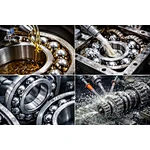
Choosing between 304 and 316L stainless steel balls depends on your environment. 304 is cost-effective for freshwater and general industrial use. However, 316L contains molybdenum, offering superior resistance to chlorides and acids—ideal for marine, chemical, and medical applications where durability is critical.

Sample testing is the most reliable way to evaluate a supplier. By checking material authenticity, precision grade, surface quality, batch consistency, packaging details, and communication professionalism, buyers can accurately judge manufacturing capability and long-term reliability, ensuring stable quality and trustworthy cooperation.

Glass balls offer high purity, chemical inertness, and precise geometry, making them ideal for biopharmaceutical applications such as microfluidics, sample preparation, and solution mixing. Their stability and cleanliness provide strong potential for future biomedical technology development.

High-hardness steel balls offer superior wear resistance, load capacity, and stability. Widely used in bearings, automotive parts, and machinery, they significantly improve equipment lifespan and performance.

This article introduces the main coating processes for steel balls, including nickel, chrome, zinc, and PVD methods. It explains how coating enhances corrosion resistance, surface hardness, and product durability, highlighting Changzhou Huari Steel Ball Co., Ltd.’s expertise in providing high-quality, customized surface treatment solutions.

Selecting the right steel ball determines the durability and accuracy of your equipment. Explore how different materials—stainless, bearing, carbon, brass, or ceramic—fit specific industrial needs. With over 20 years of manufacturing expertise, Huari Steel Ball provides precision solutions for global machinery, automotive, and medical industries.

This article analyzes key factors influencing steel ball prices, focusing on raw materials, manufacturing processes, and external costs like energy and logistics, helping buyers understand cost trends and make informed purchasing decisions.